Why Most Automotive Aftermarket Social Media Fails
Find out why aftermarket social media fails and how to reach the right buyers with relevant, problem-led content and a clear next step.

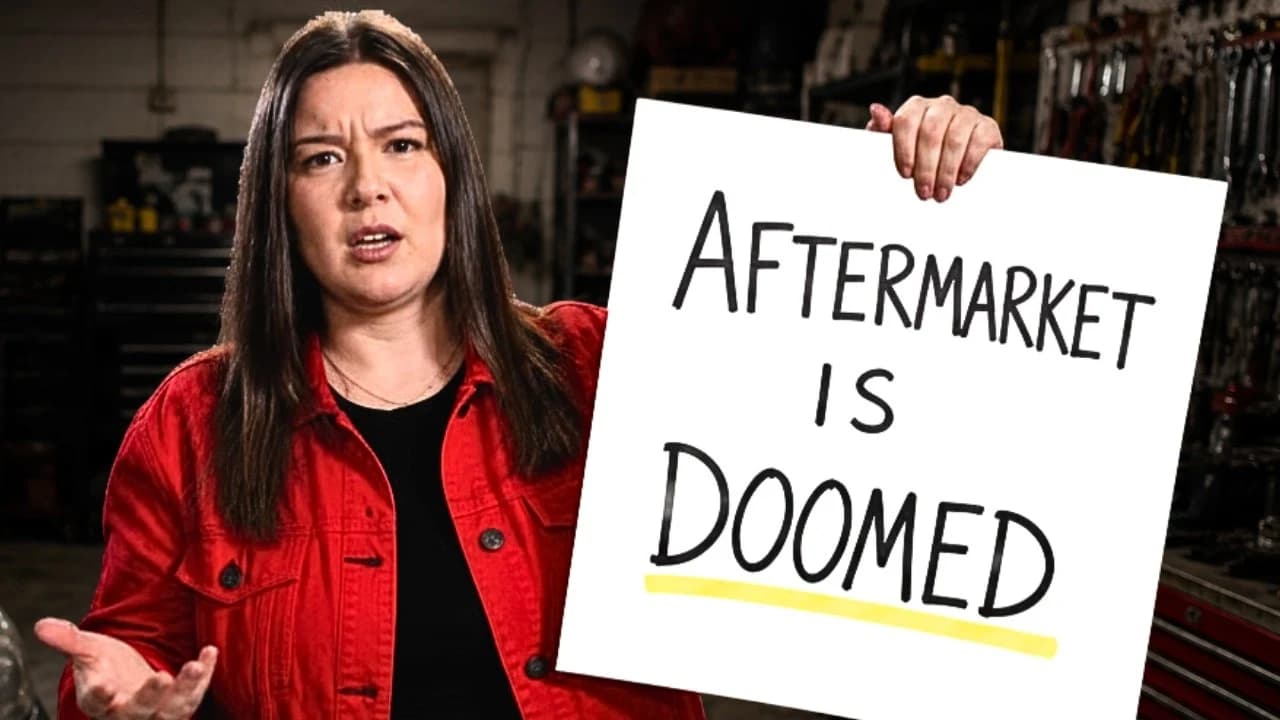
Most aftermarket social media fails when it’s still made for the old, follower-based algorithm. Platforms now recommend content based on people’s interests, so suppliers need to know exactly who they’re speaking to, understand what those buyers consume, press into their pain points and give them a clear next step.
If you’re an aftermarket supplier that just can’t get social media working for your business, it could be because you’re still creating content for the old algorithm.
The way social media platforms recommend content has shifted, and that’s changed how we need to approach social media. I’m going to take you through the old algorithm, how it works today and how to apply that to your aftermarket business so you can start generating revenue through social media.
How the old social media algorithm worked
The old algorithm largely followed a chronological order. The most recent posts would be at the top and the oldest at the bottom. Every time somebody posted, that new one would come on top.
This meant that followers were really important because if people didn’t follow you, you were much less likely to appear on their feed.
It’s also when we had social media scheduling tools that would tell you the best time of day to post. That was when your audience was most present.
Why aftermarket brands relied on motorsport content
For the aftermarket, this is when a lot of accounts started gaining followers through motorsport content. They would entertain their audience because they thought their product was probably a bit boring. Instead, they would use motorsport content to increase follower growth and engagement on their social media channels.
That may have felt like it was working back then, but if you want to generate revenue through social media now, I’d be thinking differently about what you’re posting.
How social media moved towards interest-led recommendations
So, what happened? Well, essentially, that approach got old. I’ve been on Facebook since I was probably 13, and if I actually looked at who I followed back then, I can guarantee I wouldn’t be interested in a lot of it now.
Social media platforms had this dilemma. The people they used to serve were no longer the same people. They had completely changed interests. They probably now had a baby, a dog and a mortgage. Their feed wasn’t actually reflecting who they were.
Then TikTok came about. If you remember when TikTok came about, you’ll know the For You page. It still uses that today, and I think it was more iconic than we give it credit for because it helped shift how we think about social media.
Rather than just seeing what is most recent, we now also see what is most relevant.
If I suddenly become a fanatic of avocados, I’m probably going to see avocado content even though I follow nobody that talks about avocados.
Why this is such a big opportunity for aftermarket suppliers
I think this is some of the best news we’ve had in organic content.
Picture how you used to get in front of a 50-year-old technician who owned a workshop back in 2012. You might have paid Facebook to get in front of that person. You would go into the ads platform, tweak the demographics, and that was how you could get in front of your ideal customer persona.
Now, you also have the opportunity to do that by writing quality content they’re interested in. Meta’s explanation of its recommendation systems describes how it can recommend content from people and accounts that users don’t follow.
This changes how I’d approach the motorsport tactic. Rather than entertaining for entertainment’s sake to keep our followers with us, we can build an audience based on our product or service and how it can serve the people we’re trying to get in front of.
Just think about this for a second. If you created one piece of content per week that spoke to the pain points, the goals and the hesitations your ideal customer had, and you put it on the right platform, you’d be creating an opportunity to get in front of your ideal customer persona without having to spend money on advertising.
Madre is a social-first marketing agency specifically created for aftermarket suppliers. We’re using organic content to generate revenue for our aftermarket clients. If you know that this is the shift in direction you want to take, and you want to get in front of workshops or distributors, we’d love to talk you through our system.
How to create social media content for an interest-led feed
Get clear on who you’re speaking to
The first thing you need to get clear on is who exactly you’re speaking to. Now that the algorithm is thinking about who to push this content to, rather than just following chronological order, you need to be clearer about exactly who you’re talking to.
If you don’t know, it’s going to be much harder for the platform to work out who your content is relevant to.
I’ve created a full video on the six questions we use to build a customer persona.
Understand what content your buyers actually consume
Next, you need to know what’s compelling to them. What content are they consuming? How are they consuming it?
You need to create content that matches what they currently see in the feed, so that you stop the scroll and seem like part of that overall experience.
Press into the customer’s pain points
Once you have their pain points, you need to press into those with your content. When we do that, we can make our solution the obvious answer. This can stick in their mind and give them a reason to take action.
Give your customer a clear next step
When we create a desired action, this is where we start turning social media into revenue.
Get clear on who you’re speaking to, know their pain points, position your product or service as the solution to that pain and then move them towards a desired action.
That’s how I’d approach getting in front of the right people through organic social content.
Frequently asked questions
How has the social media algorithm changed?
The old algorithm largely followed a chronological order, so followers mattered most. Platforms now recommend content based on what people are interested in, as TikTok’s For You page and Meta’s recommendation systems show. That means your posts can reach the right buyers even if they don’t follow you yet.
Why is interest-led social media good news for aftermarket suppliers?
In 2012, reaching a 50-year-old technician who owned a workshop usually meant paying Facebook and tweaking the demographics in the ads platform. Now you can also reach that person organically by writing quality content they’re interested in. I think it’s some of the best news we’ve had in organic content.
How do you create social media content that generates sales?
Get clear on who you’re speaking to and understand what content they already consume. Press into their pain points so your product or service becomes the obvious answer, then move them towards a desired action. That clear next step is where social media starts turning into revenue.
Put this into practice with your next social media post
If you want to know more about how to actually write this in practice, I’ve made a step-by-step guide to creating a social media post designed to help you generate revenue.
If you’re an automotive aftermarket supplier looking to generate revenue through organic social media, you can also explore our social media marketing services.

Work with Madre
Where could your digital marketing work harder?
Book your free V8 Digital Audit and we will show you where your social, search, site and sales can work harder for your aftermarket brand.
Book your free V8 Digital Audit